An energy-efficient home is one that holds a steady, comfortable temperature through a 40 degree summer and a cool winter without leaning on heating and cooling to do it. In Perth, that comes down to a handful of decisions made early in the design: which way the house faces, what the walls are made of, how the glazing is specified, and how the home breathes. Get them right and you reach 8 to 10 star NatHERS comfort, with the air conditioner as a backup rather than a necessity.
What makes a home energy-efficient in Perth
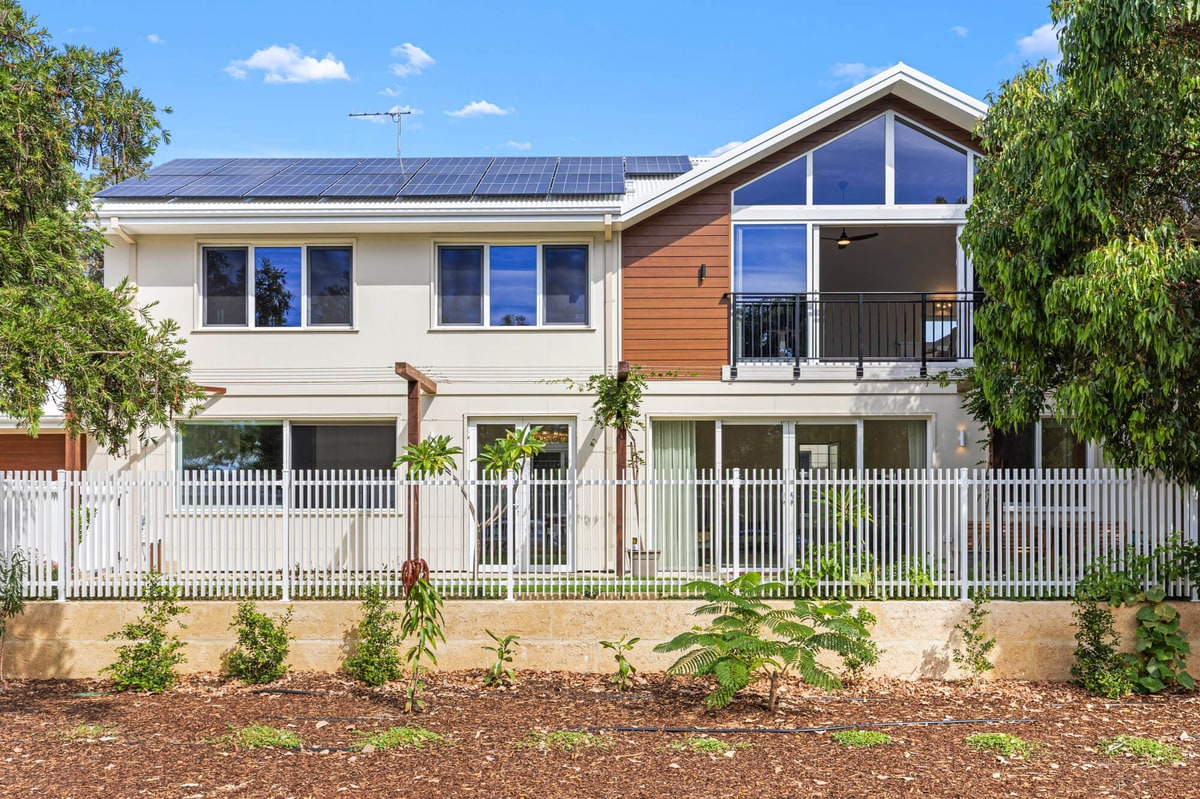
Most homes in Perth are still built to fight the climate rather than work with it. An energy-efficient home does the opposite, and it rests on four fundamentals:
- Orientation and passive solar design. The single most important, and cheapest, decision. The right orientation lets low winter sun warm the home and keeps high summer sun out, before a single appliance is switched on. This is the foundation of passive solar design.
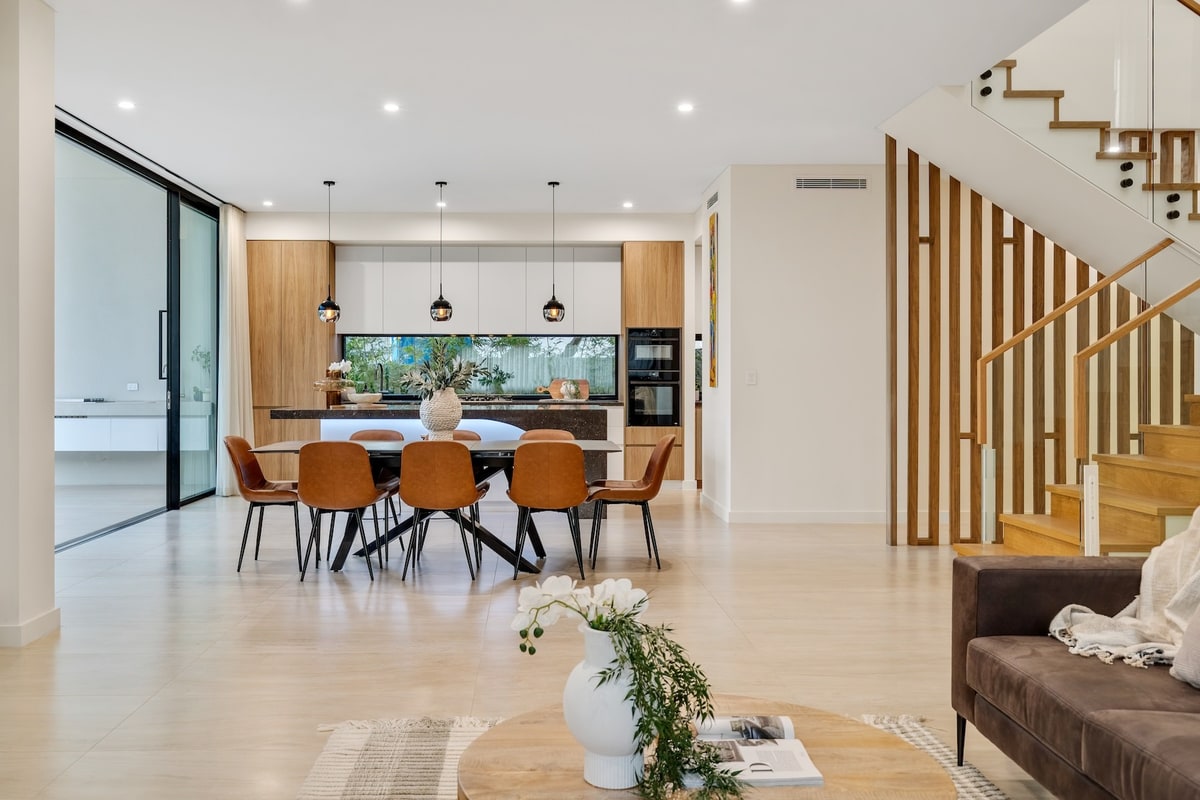
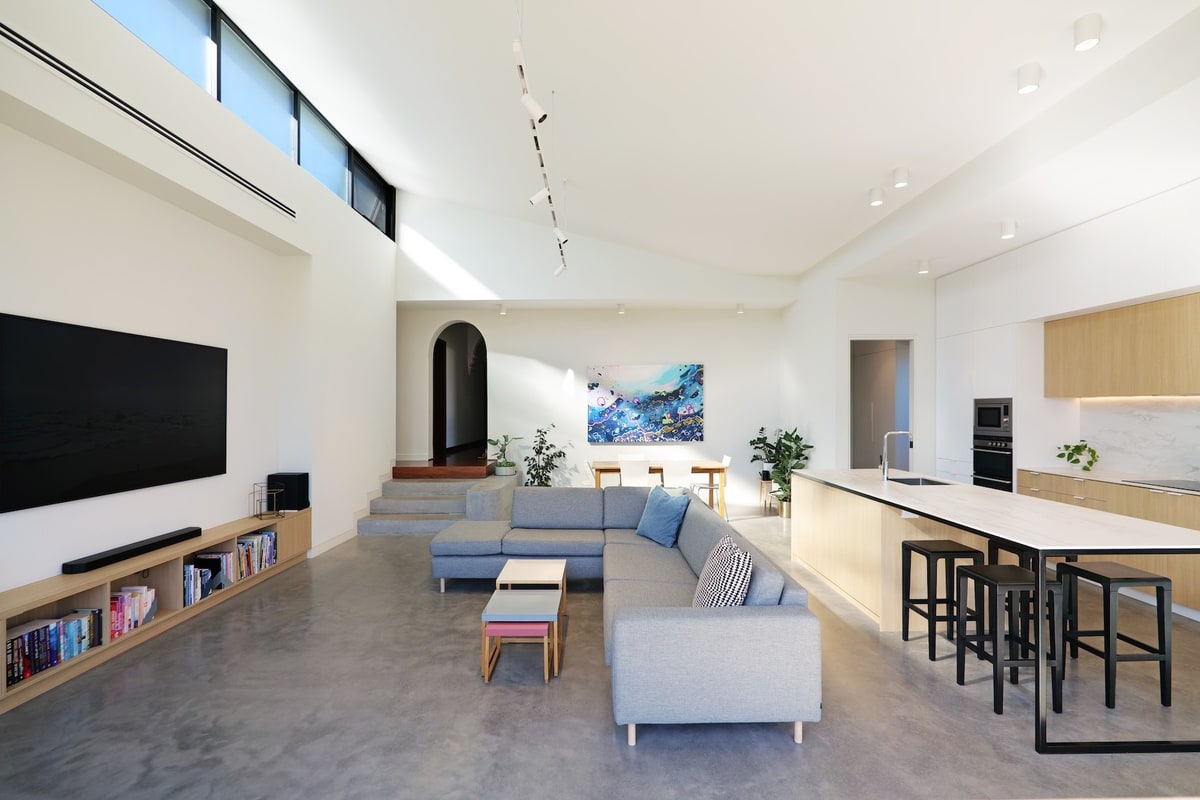
- Walls with insulation in the right place. Standard double brick stores the day's heat and releases it indoors overnight. Reverse brick veneer flips that, putting insulation on the outside and thermal mass inside, so the rooms you live in hold an even temperature.
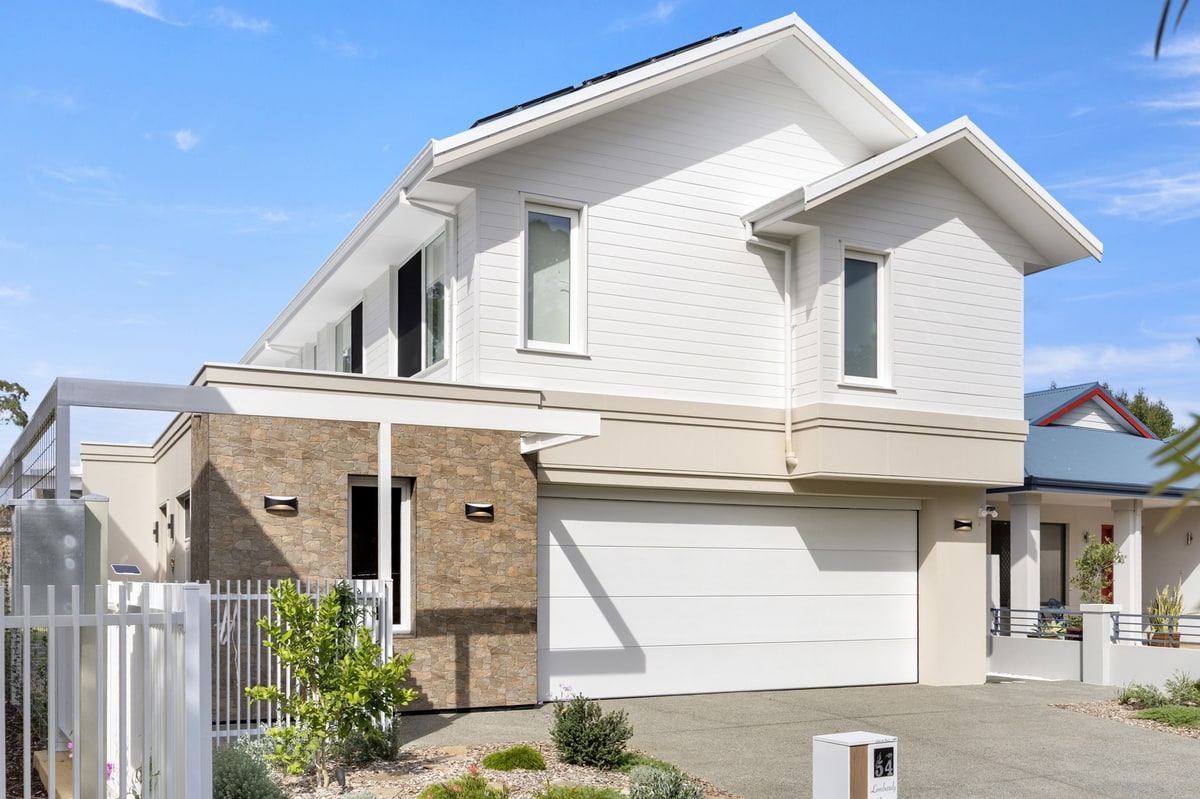
- High-performance glazing and shading. Windows are the weakest point in most homes. Correctly specified glazing and eaves let you keep large openings and views without the heat gain.
- Airtightness and ventilation. How a home manages air. This ranges from designed natural cross-ventilation through to the sealed, mechanically ventilated approach of a full Passiv Haus.
Three ways to build an energy-efficient home
There is no single right answer. There is a spectrum, from meeting the minimum standard to building the highest-performance home possible. For most Perth families, passive solar design paired with reverse brick veneer is the sweet spot of comfort per dollar. Here is how the options compare.
| Criteria | Standard 7-star build | Passive solar | Passiv Haus |
|---|---|---|---|
| How it works | Meets the 7-star minimum. Comfort relies on heating and cooling | Works with sun, shading and thermal mass; insulated reverse brick veneer holds the temperature | Sealed, superinsulated envelope with mechanical heat-recovery ventilation |
| Everyday comfort | Adequate, but swings with the weather | Stable and even, room to room, naturally | The most stable, tightly controlled year-round |
| Heating and cooling needed | Highest | Significantly reduced to minimal | Lowest possible |
| Upfront cost | Baseline | Higher, depending on the design and materials | A further 20 to 35% above passive solar |
| Indoor-outdoor living | Yes | Central to the design | Possible, but performs best when sealed |
| NatHERS rating | 7 stars | 8 to 10 stars | 8 to 10+ stars |
| Best suited to | The tightest upfront budgets | Most Perth homes and families. Our recommendation for value | Those who want measurable, total control of air quality and performance |
Explore each approach
Passive solar design
Working with the sun, orientation and thermal mass so the home heats and cools itself. The value choice for most Perth homes.
Learn more →Reverse brick veneer
Insulation outside, brick inside. The wall system behind our 9 to 10 star homes, and why they stay cool with the aircon off.
Learn more →Passiv Haus
The premium, certified standard for the cleanest, most stable indoor air. The right choice for a specific buyer.
Learn more →What it costs, and what it saves
A passive solar home with reverse brick veneer costs more than a custom-designed 7 star home. How much depends on the design and the materials, so we price it for your plan rather than quote a percentage. The extra goes into the fabric that makes it perform: orientation, glazing, insulation and the detailing that holds a comfortable temperature, and the result is a home that is simply better to live in. A full Passiv Haus is a bigger step again, commonly a further 20 to 35 per cent on top of a comparable passive solar home.
We share these ranges openly because a serious build deserves honest numbers early. For the full breakdown, read the real cost of building an energy-efficient home in Perth.